
🧠 Sound Healing and Meditative Touch for Brain Health
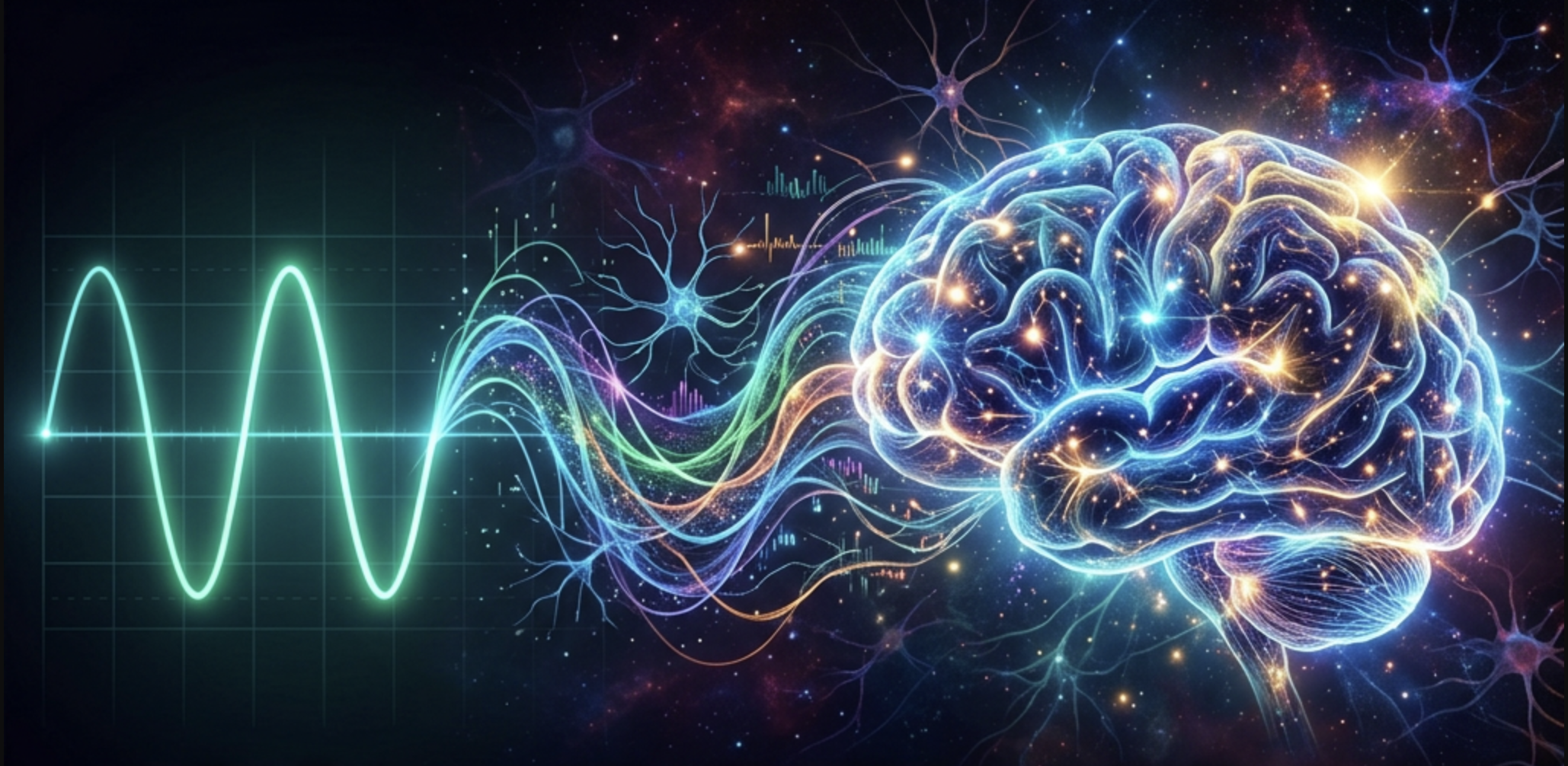
🧠 The Science of Sound Healing for Brain Health
Brainwave Entrainment: EEG research found that different singing bowl frequencies were associated with distinct energy levels and relaxation states, with delta brainwave shifts — linked to deepest relaxation — observed during bowl sessions. 👉 Eastern Integrative Medicine & Ancient Sound Healing – PMC
Meditational Brainwave Synchronization: Research suggests that singing bowl sounds may synchronize brainwaves into theta wave states — the brainwave pattern associated with deep meditative and relaxed states. 👉 Does the Sound of a Singing Bowl Synchronize Meditational Brainwaves? – PMC
Reduced Anxiety & Depression: A systematic review of 14 studies found that Tibetan singing bowl interventions produced significant reductions in anxiety and depressive symptoms, along with improvements in well-being and quality of life. 👉 Effects of Tibetan Singing Bowl Intervention – PubMed
Nervous System Regulation: Research shows that singing bowl sounds may trigger neural entrainment — where the brain's electrical activity aligns with sound rhythms — supporting a shift from stress states into relaxation. 👉 Effects of Tibetan Singing Bowl Intervention – PMC
Emotional Well-Being & Mood: Studies show singing bowl meditation reduces negative affect and increases positive affect, and has been used in emotional healing work with diverse populations including cancer patients and high-risk youth. 👉 Effects of Singing Bowl Sound Meditation on Mood, Tension & Well-being – PMC
Stress & Tension Relief: Participants in singing bowl sound meditation sessions reported significant reductions in tension, anxiety, depressed mood, and even physical pain scores. 👉 Eastern Integrative Medicine & Ancient Sound Healing – PMC
Neuroplasticity Support: Sound-based healing frequencies have been reported to promote cellular repair and improve neuroplasticity, while binaural beats modulate brainwave activity to support cognitive and emotional rehabilitation. 👉 Healing Effects of Music, Frequencies & Binaural Beats – PMC
🧠 Brain Health Benefits of Craniosacral Therapy
Stress Hormone Reduction: A randomized clinical trial found that five sessions of craniosacral therapy significantly reduced cortisol and corticotropin-releasing hormone (CRH) levels — the key stress hormones that, when chronically elevated, can impair brain function and cognitive health. 👉 CST & Stress Hormones – PMC
Anxiety & Emotional Well-Being: A double-blind clinical trial found that craniosacral therapy produced significant reductions in both state and trait anxiety, improved sleep quality, and enhanced quality of life compared to a placebo group. 👉 CST, Anxiety & Quality of Life – PubMed
Trauma & PTSD Support: Research found that when craniosacral therapy was combined with psychotherapy for complex trauma and PTSD, emotions and traumatic memories became more accessible — suggesting CST may help release stored stress held in the body that limits cognitive and emotional processing. 👉 CST & Trauma – PubMed
Migraine & Headache Relief: A randomized controlled study found that craniosacral therapy reduced migraine frequency, pain intensity, medication use, and functional disability in chronic migraine patients. 👉 CST & Migraine – PMC
Autonomic Nervous System Regulation: Research shows that craniosacral therapy influences heart rate variability and autonomic nervous system function — supporting the body's shift from sympathetic "fight or flight" activation into parasympathetic rest and recovery. 👉 CST & Stress Hormones – PMC
Overall Symptom Relief & Quality of Life: A large prospective cohort study found that across 114 different conditions, CST significantly reduced symptom intensity and disability while improving quality of life and personal resources. 👉 CST in Primary Health Care – PubMed
🧠 Craniosacral Therapy & Alzheimer's / Aging Brain — What the Research Shows
This is an emerging area of research. Studies so far are small-scale, but the findings are promising and the field is actively growing.
Reduced Agitation in Dementia Patients: A published study in the Journal of Gerontological Nursing found that daily craniosacral still point technique administered over six weeks produced a statistically significant reduction in agitation, physical non-aggression, and verbal agitation in older adults with dementia — with improvements continuing even after treatment ended. 👉 Craniosacral Still Point Technique & Dementia – PubMed
Improved Memory, Recognition & Speech: Follow-up clinical observations from the same research program reported that participants showed increased memory, greater recognition of caregivers, and in some cases a return of word-finding ability and speech — significant markers for Alzheimer's patients. 👉 CST as Treatment for Alzheimer's – Massage Magazine / Upledger Institute
Brain Network Connectivity Changes Visible on fMRI: A 2025 peer-reviewed case report published in Cureus used resting-state fMRI to observe changes in brain network connectivity in a 79-year-old man with early-stage Alzheimer's following CST — the first study of its kind to document this using neuroimaging. The patient showed reductions in anxiety, irritability, and nighttime behaviors. 👉 CST & fMRI Brain Connectivity in Early-Stage Alzheimer's – PMC
Cerebrospinal Fluid & Brain Detoxification: Research has found that CSF production can decrease by up to 50% with normal aging, and by as much as 75% in people with senile dementia. CST is theorized to support CSF circulation — helping flush toxins from brain tissue — a mechanism now supported by growing glymphatic system research. 👉 CST & Alzheimer's – Upledger Institute
Reduced Inflammation Linked to Dementia: CST is proposed to reduce whole-body and brain inflammation — a known precursor to dementia and Alzheimer's disease — by calming the sympathetic nervous system and improving fluid circulation throughout the central nervous system. 👉 Clearing the Fog: CST & Dementia – Psychology Today